
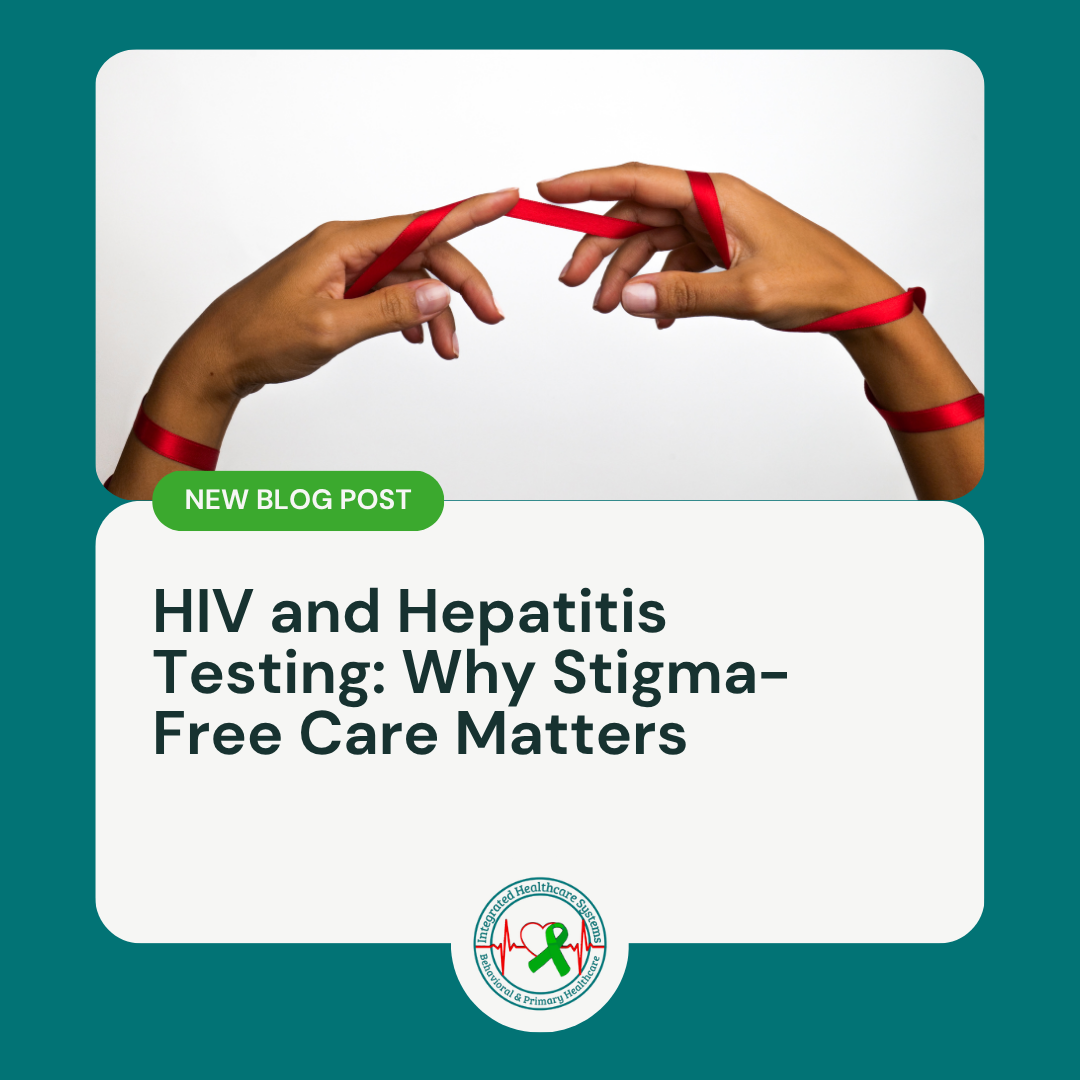
July is an important time to talk about HIV stigma and viral hepatitis awareness. According to the U.S. Office of Disease Prevention and Health Promotion, July National Health Observances include a focus on HIV stigma and viral hepatitis, creating an opportunity to encourage prevention, testing, and compassionate care.
These conversations matter because stigma can keep people from asking questions, getting tested, or seeking support. When we talk about HIV and hepatitis with respect and accuracy, we help make health care feel more accessible and less intimidating.
Why Testing Matters
The only way to know your status is to get tested. Many people with HIV, hepatitis B, or hepatitis C may not have symptoms right away, which means someone can feel healthy and still benefit from screening.
The CDC recommends HIV testing at least once for everyone ages 13 to 64 as part of routine health care. The CDC also recommends hepatitis C screening for all adults 18 and older, and hepatitis B screening at least once for adults 18 and older.
Testing can help people:
- Understand their health status
- Get connected to care earlier
- Learn about prevention options
- Reduce the chance of unknowingly passing an infection to someone else
- Make informed decisions with support from a health care provider
Reducing HIV Stigma Starts With Conversation
HIV stigma often comes from fear, outdated information, or judgment. It can show up in the way people talk about HIV, avoid testing, or make assumptions about who is affected.
Stigma-free conversations are simple but powerful. They start with using respectful language, avoiding blame, and recognizing that HIV is a health condition, not a character judgment. People living with HIV deserve dignity, privacy, and access to care.
A better conversation might sound like:
- “Have you had routine testing recently?”
- “Do you know where to get tested?”
- “What support would make care easier for you?”
- “You deserve care without judgment.”
Viral Hepatitis Awareness Is Part of Whole-Person Health
Viral hepatitis affects the liver and includes several types, including hepatitis A, B, and C. Some forms can be prevented with vaccination, and some can be treated or managed with medical care.
Because hepatitis can go unnoticed, awareness and screening are key. Talking with a health care provider can help determine which tests, vaccines, or next steps are appropriate based on age, health history, and possible exposure.
Compassionate Care Removes Barriers
For many people, the hardest part of testing is not the test itself. It may be fear, embarrassment, transportation, cost, past negative experiences, or not knowing where to begin.
Compassionate care means meeting people with respect. It means listening first, protecting privacy, and helping individuals feel safe enough to ask honest questions. For communities that have experienced barriers to health care, this kind of support can make a real difference.
Integrated Healthcare Systems provides primary health services, including STD testing and treatment with screening that may include HIV and Hepatitis C. Learn more on the IHCS Primary Health page: https://integratedhcs.org/services-ihs/primary-health/
Prevention Is Care, Too
Prevention is not one-size-fits-all. It can include routine testing, vaccination when appropriate, safer sex practices, not sharing injection equipment, and talking with a provider about personal risk and prevention options.
The most important step is starting the conversation. A health care provider can help answer questions in a private, respectful setting and connect people with the right resources.
Learn More About Prevention, Testing, and Stigma-Free Care
This July, take a moment to learn more, schedule testing if it is recommended for you, and help create a community where people feel safe seeking care. HIV and hepatitis testing is a normal part of protecting your health, and everyone deserves support without shame.