
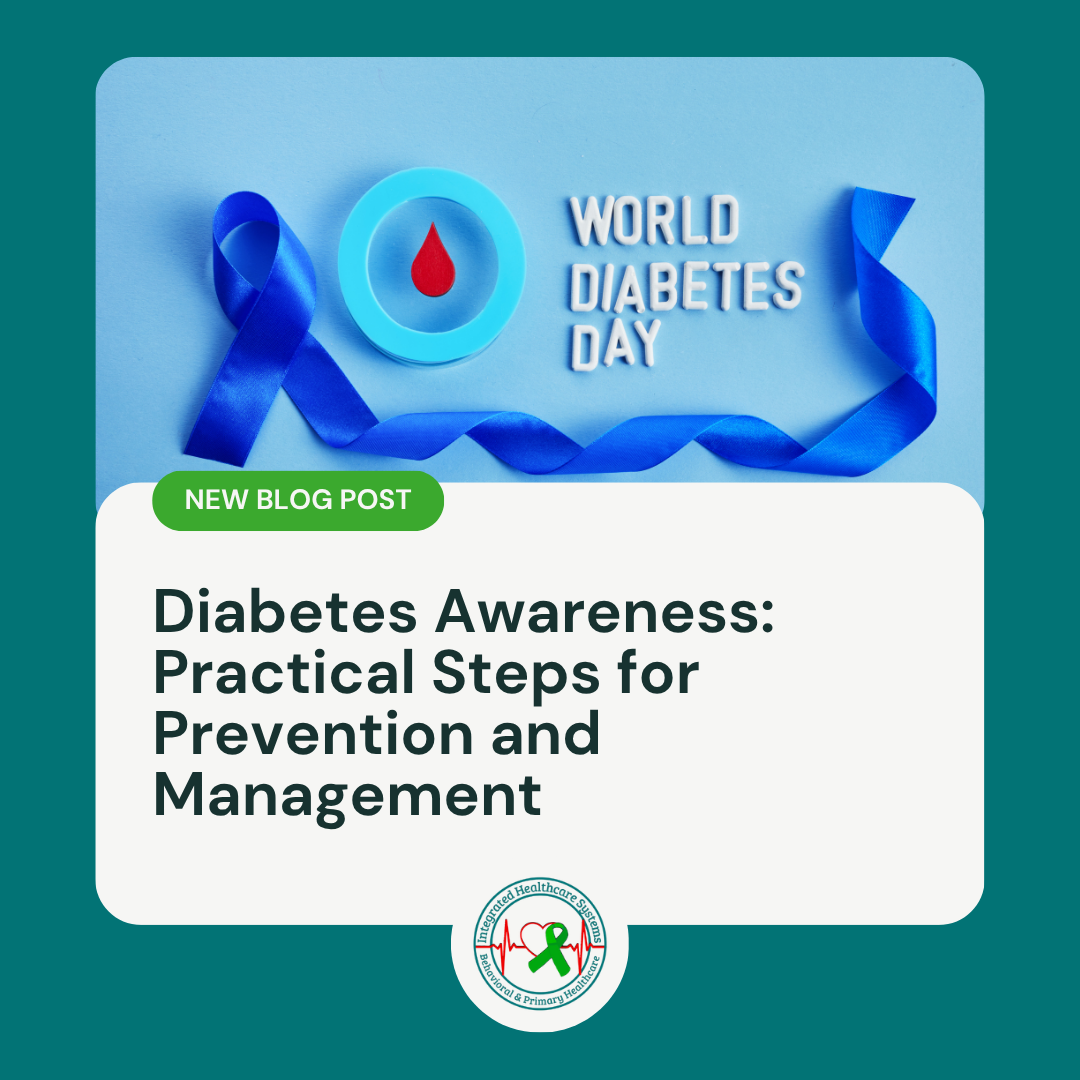
November is National Diabetes Month, an opportunity to learn more about diabetes prevention and management and take practical steps toward better health. Diabetes can affect people at different stages of life, including those who have not yet been diagnosed and those already following a treatment plan.
The Office of Disease Prevention and Health Promotion recognizes diabetes awareness as a November National Health Observance. It encourages people to understand their risks and use reliable health information to make informed decisions with their providers.
Why Diabetes Screening Matters
Type 2 diabetes can develop gradually, and some people may not notice symptoms. A screening can help identify elevated blood sugar or prediabetes before a person knows there may be a concern.
Your provider can help determine whether screening is appropriate based on factors such as:
- Your age
- Your personal and family health history
- Your blood pressure or cholesterol
- Your activity level
- A history of gestational diabetes
- Other health conditions or risk factors
Screening is not the same as a diagnosis. If a result is outside the expected range, your provider may recommend additional testing or a follow-up appointment to understand what it means.
The HHS MyHealthfinder diabetes resource offers more information about risk factors, screening, and questions to discuss during a healthcare visit.
Follow-Up Care Is Part of the Process
Getting screened is an important first step, but follow-up care is just as important. Ask when your results will be available, how you will receive them, and whether you need another appointment.
For people living with diabetes, regular visits give the care team an opportunity to:
- Review blood sugar information and test results
- Discuss new or changing symptoms
- Check progress toward individual health goals
- Address questions about food, activity, or medications
- Update the care plan when appropriate
- Coordinate additional screenings or specialty care
The right follow-up schedule will vary. Your provider can explain how often you should return based on your health, treatment plan, and test results.
Review Your Medications With Your Provider
Medication management is an ongoing conversation. If you take medication for diabetes or another chronic condition, bring an updated medication list to your appointments. Include prescription medicines, over-the-counter products, vitamins, and supplements.
Tell your provider if you:
- Have trouble remembering or timing a dose
- Experience a possible side effect
- Cannot afford or obtain a medication
- Are unsure how a medicine should be taken
- Have started a new medication or supplement
- Have concerns about how your treatment fits into daily life
Do not stop taking or change the dose of a prescribed medication without speaking with your provider. A medication review can help your care team understand your concerns and determine whether changes are appropriate.
Make Nutrition a Conversation
Nutrition plays an important role in diabetes prevention and management, but healthy eating does not look exactly the same for everyone. Culture, budget, schedule, food access, preferences, and other health conditions can all influence what is realistic.
Consider asking your provider:
- How might my usual meals affect my health goals?
- Are there small changes I can begin with?
- How can I plan meals around my work or family schedule?
- Would meeting with a registered dietitian be helpful?
- What should I know about food and my medications?
A productive nutrition conversation should focus on practical, sustainable choices rather than perfection. Your provider or dietitian can help you create an approach suited to your individual needs.
Diabetes Prevention and Management Require Ongoing Support
Managing a chronic condition can involve appointments, testing, medications, nutrition decisions, physical activity, and emotional stress. Support from a consistent care team can make those responsibilities easier to understand and organize.
Integrated Healthcare Systems offers primary healthcare and chronic health management, including wellness screenings, patient education, care coordination, and support for people managing diabetes. This whole-person approach also recognizes that physical and emotional well-being can affect one another.
Diabetes awareness is not about completing every health goal at once. It is about knowing your risks, keeping up with recommended care, asking questions, and taking the next appropriate step with professional support.
Talk with your provider about diabetes prevention or management. Ask whether you are due for a screening, follow-up visit, medication review, or nutrition conversation.