
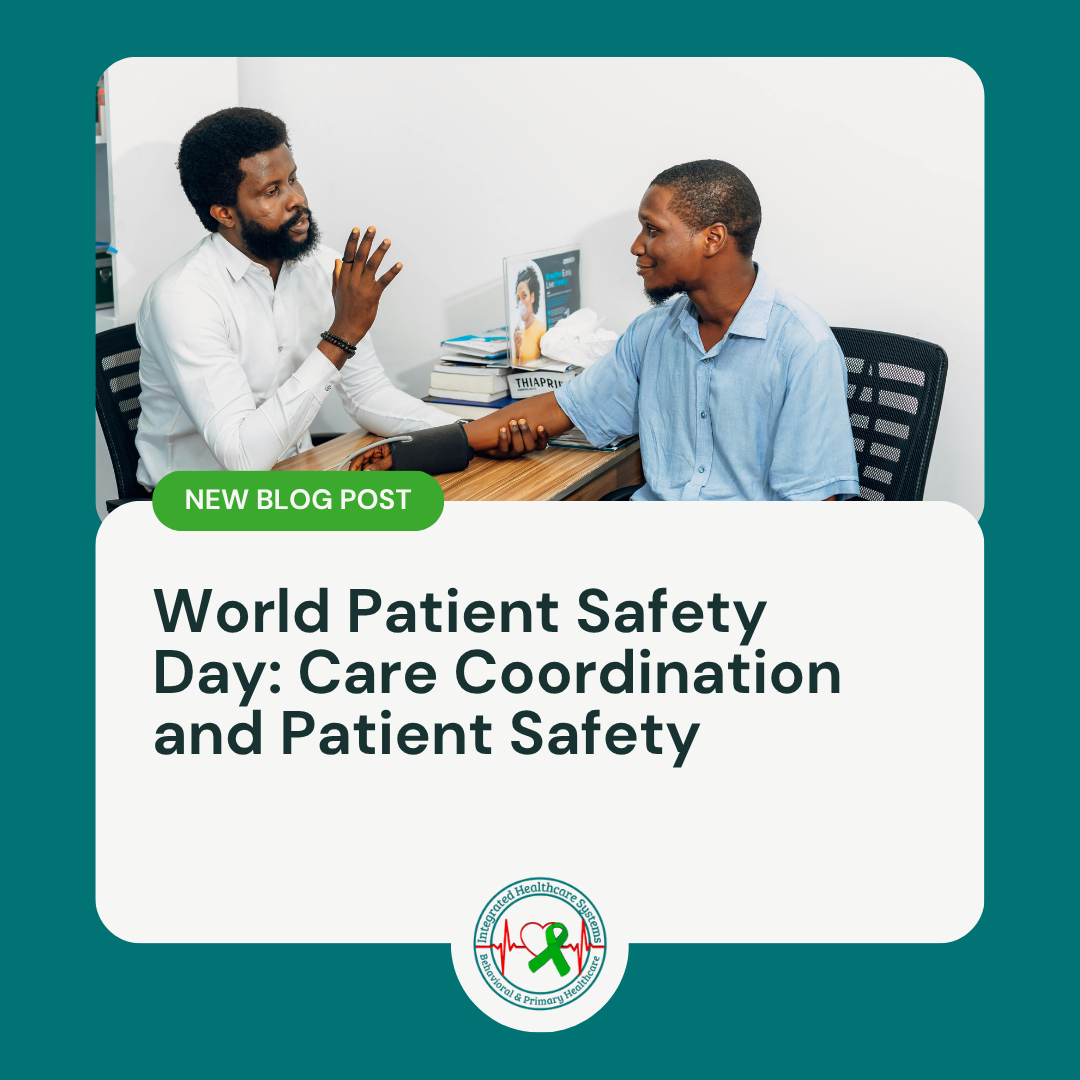
Every year on September 17, World Patient Safety Day raises awareness about preventable harm in healthcare and the steps that can make care safer.
Patient safety is not limited to what happens during a single appointment. It depends on how well information follows a patient between providers, pharmacies, specialists, hospitals, and home. Strong care coordination and patient safety practices help everyone involved understand the patient’s needs, treatment plan, and next steps.
Patients and caregivers also have an important voice in this process. Asking questions, sharing accurate information, and speaking up about concerns can help the care team identify potential problems before they cause harm.
Clear Communication Supports Safer Decisions
Healthcare can become complicated, especially when several providers are involved. A primary care provider may manage one part of a patient’s health while a specialist, behavioral health professional, pharmacist, or case manager addresses another.
Clear communication helps these professionals work from the same information. It can reduce confusion about:
- Diagnoses and symptoms
- Current medications
- Test results
- Treatment recommendations
- Referrals and follow-up appointments
- Changes in a patient’s condition
Patients should feel comfortable asking providers to explain unfamiliar terms or instructions. It is reasonable to ask a provider to repeat information, write down the next steps, or explain who to contact if symptoms change.
Before leaving an appointment, patients and caregivers can ask:
- What is the main concern being addressed?
- What should happen next?
- Are there warning signs I should watch for?
- Who should I contact if I have questions?
- When should I schedule a follow-up visit?
Accurate Documentation Helps Information Travel With the Patient
Medical records, medication lists, discharge instructions, and referral notes help communicate important information across healthcare settings. When documentation is incomplete or outdated, providers may not have the details they need to make informed decisions.
Accurate records are especially important after a hospital stay, emergency room visit, medication change, or new diagnosis. Patients can support this process by reviewing their visit summaries and notifying the care team if something appears incorrect or incomplete.
Keeping personal copies of important health information can also be helpful. This may include recent test results, allergies, current diagnoses, provider contact information, and instructions from recent appointments.
Medication Management Is a Shared Safety Practice
Medication safety requires clear information from patients, caregivers, prescribers, and pharmacists. The World Health Organization encourages patients and caregivers to know their medications, check that they are being used correctly, and ask questions when something is unclear.
An updated medication list should include:
- Prescription medications
- Over-the-counter medicines
- Vitamins and supplements
- Medication names and dosages
- When and how each medication is taken
- Known medication allergies or past reactions
Bring this list to every medical appointment and pharmacy visit. Update it whenever a medication is started, stopped, or changed.
Before taking a new medication, ask what it is for, how it should be taken, and whether it could interact with anything already on the list. Patients should contact an appropriate healthcare professional before changing or stopping a prescribed medication.
Follow-Up Care Keeps the Plan Moving Forward
A treatment plan does not end when an appointment or hospital stay is over. Follow-up care gives providers an opportunity to review test results, monitor symptoms, evaluate medications, and adjust the plan when necessary.
Missed follow-up can leave important questions unanswered. For example, a patient may not know whether a test result requires additional care or whether a new medication is working as intended.
Before leaving a healthcare setting, patients and caregivers should understand:
- Whether another appointment is needed
- When that appointment should occur
- Which provider is responsible for the next step
- Whether tests or referrals still need to be scheduled
- What to do if symptoms continue or worsen
Care Coordination Creates a More Complete Picture
The Agency for Healthcare Research and Quality identifies communication, medication management, care transitions, proactive planning, and follow-up as important parts of coordinated care.
When providers share relevant information and understand their responsibilities, they are better equipped to consider the patient’s full health picture. This is particularly important for people managing chronic conditions, behavioral health needs, multiple medications, or care from several specialists.
Integrated Healthcare Systems supports this connected approach through primary and behavioral healthcare integration. Coordinating primary care with behavioral health, specialty services, and case management can help reduce gaps and create a clearer care experience.
Patient Advocacy Is Part of Patient Safety
Patients know their symptoms, routines, and experiences better than anyone else. Caregivers may also notice changes that are not immediately visible during an appointment. Those observations can provide valuable information to the care team.
Speaking up is appropriate when:
- A medication looks different than expected
- Instructions conflict with information from another provider
- A symptom is new, worsening, or being overlooked
- The reason for a test or treatment is unclear
- Follow-up plans have not been explained
- Something simply does not seem right
Advocacy does not mean that patients must manage the healthcare system alone. It means they should be treated as partners whose questions, preferences, and concerns matter. The World Health Organization recognizes meaningful patient and family engagement as an important part of safer care.
World Patient Safety Day is a reminder that safety grows through shared attention. Clear communication, accurate records, careful medication management, reliable follow-up, and coordinated providers all contribute to safer care. When patients and caregivers ask questions and raise concerns, they add another essential layer of protection.