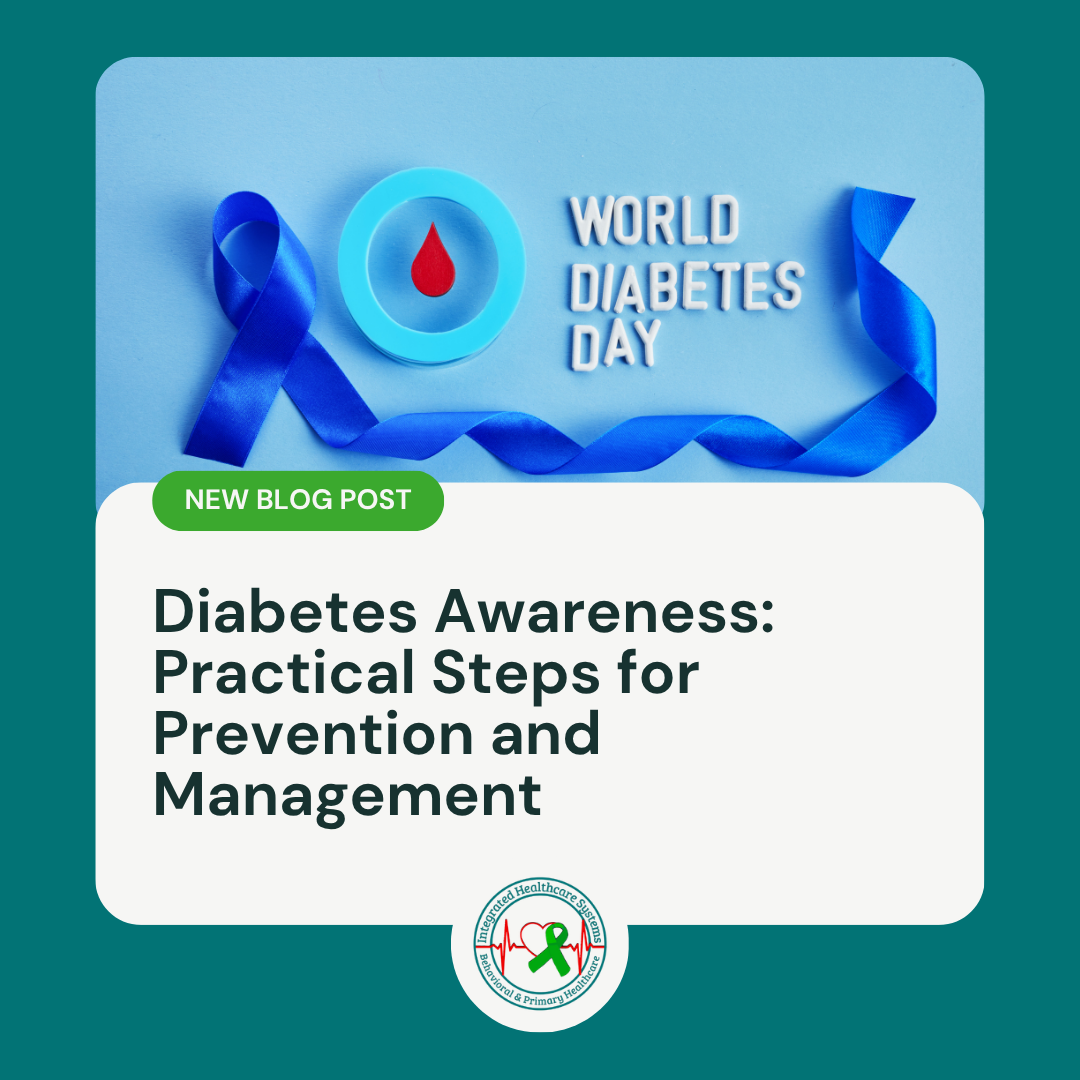

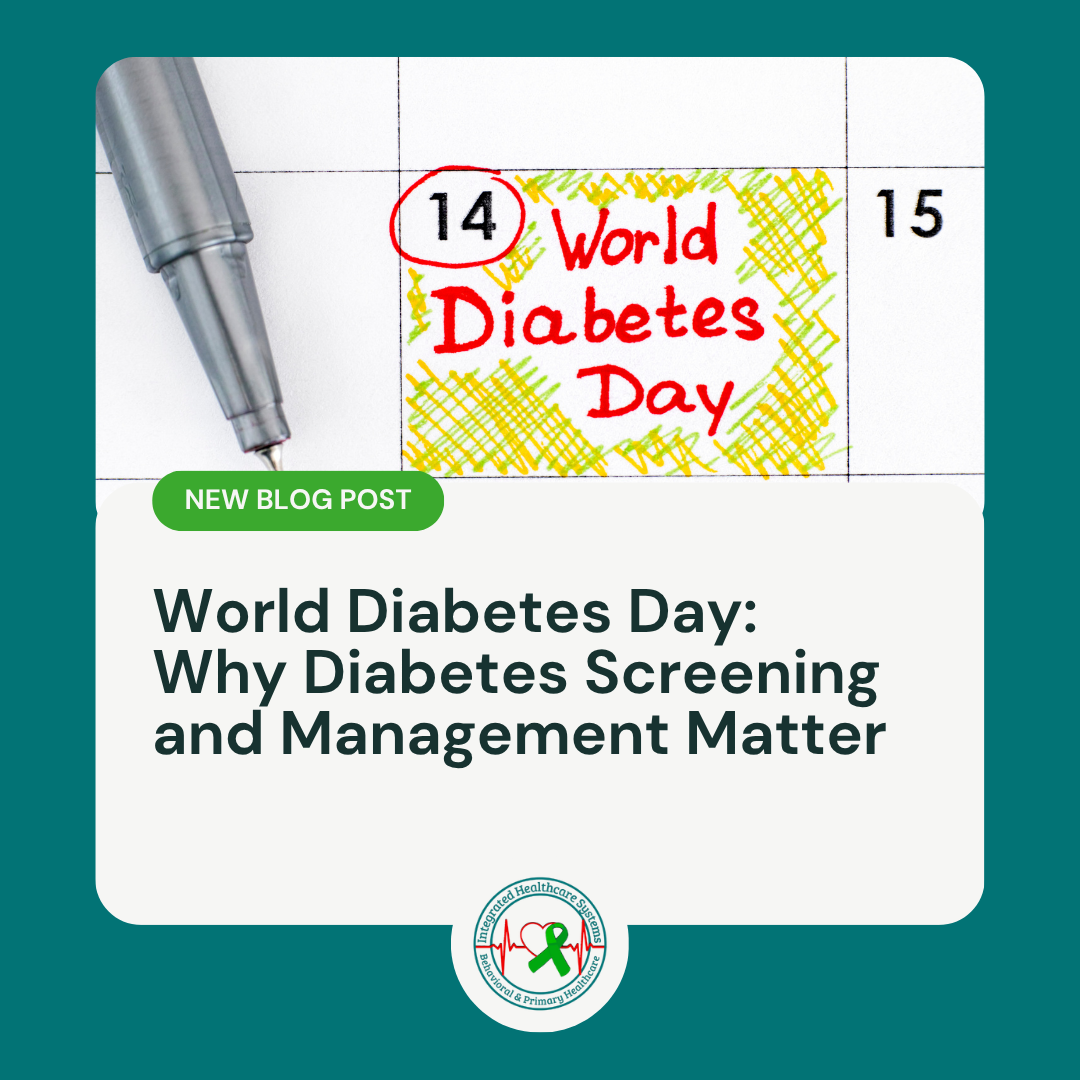
Observed each year on November 14, World Diabetes Day raises awareness about the importance of diabetes prevention, early detection, and access to quality care. It is also a timely reminder that effective diabetes screening and management begin with informed, provider-guided decisions.
Diabetes can affect people of all ages and backgrounds. Type 2 diabetes may develop gradually and sometimes causes few noticeable symptoms. Regular healthcare visits and appropriate screening can help identify diabetes or prediabetes earlier, giving individuals an opportunity to take action with support from their care team.
Early Detection Starts With a Conversation
Screening is an important part of preventive healthcare. A healthcare provider can review factors such as age, family history, health conditions, and other personal risks to determine whether blood sugar testing is appropriate.
Early detection may allow people with prediabetes to make changes that help delay or reduce their risk of developing type 2 diabetes. For individuals diagnosed with diabetes, timely care provides a foundation for managing blood sugar and reducing the risk of complications.
Possible diabetes symptoms can include increased thirst, frequent urination, unexplained weight loss, fatigue, or blurred vision. However, some people experience no clear symptoms. Anyone concerned about their risk or noticing changes in their health should speak with a healthcare provider rather than waiting for symptoms to worsen.
Diabetes Screening and Management Require Ongoing Care
A diabetes diagnosis is not the end of the conversation. Managing the condition often requires regular follow-up appointments, blood sugar monitoring, preventive screenings, and adjustments to an individualized care plan.
A provider-guided plan may include:
- Monitoring blood sugar as recommended
- Attending routine medical appointments
- Taking medications exactly as prescribed
- Choosing nutritious foods that support personal health goals
- Incorporating safe, regular physical activity
- Completing recommended eye, kidney, foot, and other health checks
- Discussing new symptoms, side effects, or treatment concerns promptly
Each person’s needs are different. A healthcare provider can help establish appropriate blood sugar goals and recommend a care approach based on the individual’s health, medications, and daily circumstances.
Take Medications as Directed
For many people living with diabetes, medication is an essential part of managing blood sugar. Taking medication consistently and correctly can support the treatment plan developed with a healthcare provider.
People should not stop taking a prescribed medication or change its dose without speaking with their provider. If side effects, costs, transportation, refill delays, or other barriers make it difficult to follow a medication plan, it is important to say so. A provider or pharmacist may be able to explain available options, answer questions, or connect the individual with appropriate resources.
Keeping an updated list of prescriptions, over-the-counter medicines, vitamins, and supplements can also help the care team identify possible interactions and coordinate treatment.
Build Healthy Habits That Fit Your Life
Healthy lifestyle choices can support type 2 diabetes prevention and help people with diabetes manage their blood sugar. Meaningful changes do not have to happen all at once.
Practical steps may include choosing more vegetables and other nutrient-rich foods, drinking water instead of sugary beverages, getting regular physical activity, managing stress, and maintaining consistent sleep habits. People with diabetes or other health conditions should work with their provider before making major changes to their diet or activity level.
The most effective plan is one that is medically appropriate, realistic, and sustainable.
Support Makes Diabetes Care More Manageable
Managing a chronic condition can feel complicated, especially when someone is also dealing with medication costs, transportation needs, mental health concerns, or limited access to regular care. Ongoing healthcare support can make it easier to understand test results, follow a treatment plan, and address challenges before they become larger problems.
Integrated Healthcare Systems offers patient-centered primary health services, including wellness screenings, chronic disease management, and patient education. Coordinated care can help individuals stay engaged in their health while receiving support that considers their broader needs.
Take Charge of Your Health This World Diabetes Day
World Diabetes Day is an opportunity to begin a conversation, schedule a checkup, or reconnect with ongoing care. Early action and consistent support can make a meaningful difference.
Take charge of your health. Ask your healthcare provider about diabetes screening, prevention, and management.