
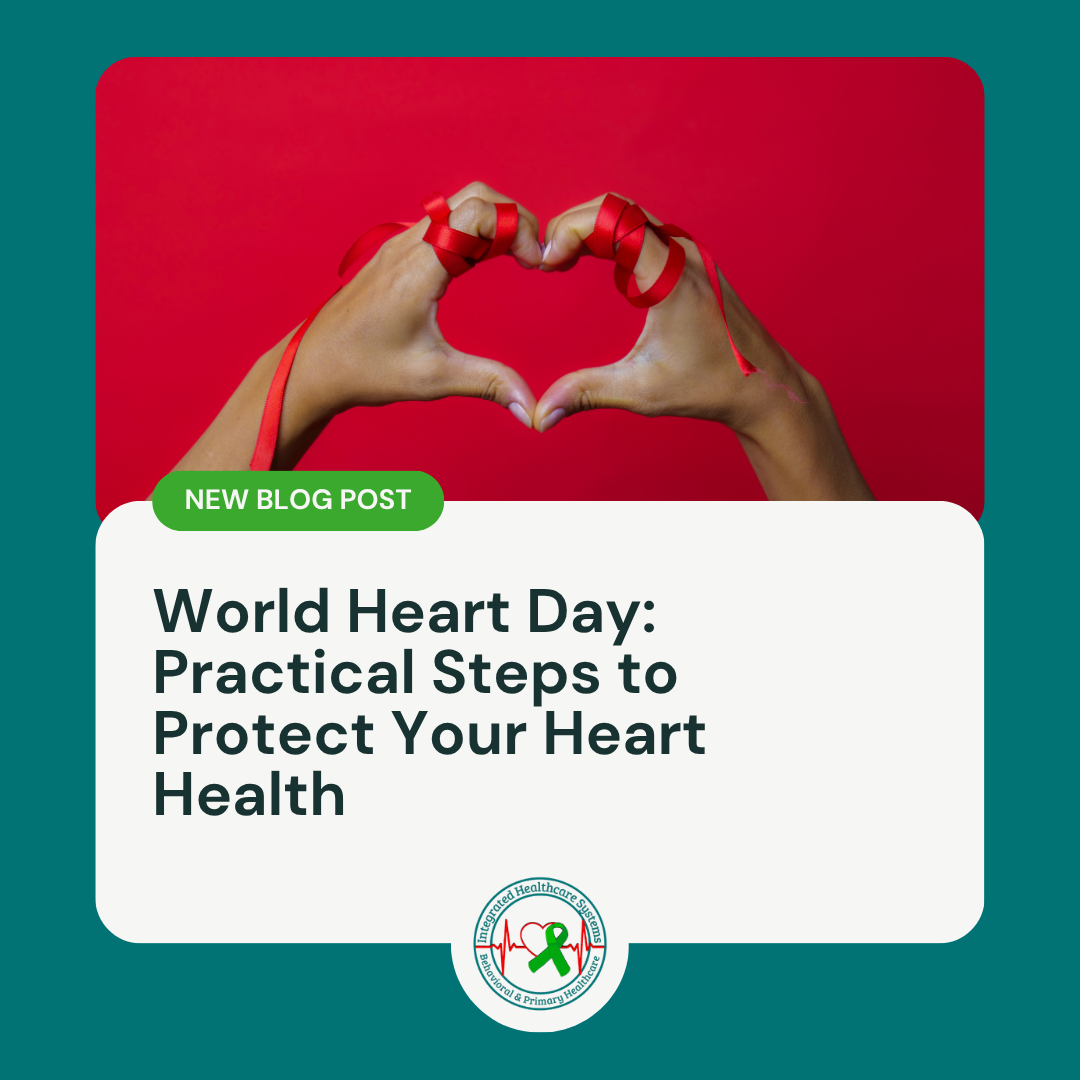
Every year on September 29, World Heart Day raises awareness about cardiovascular disease and the importance of caring for our hearts. It is also a helpful reminder that heart disease prevention does not have to begin with a dramatic lifestyle change.
Small, realistic actions can make a meaningful difference. Preventive care, medication management, nutritious food, physical activity, stress management, and regular screenings can all support heart health. When cost, transportation, time, or access to care creates challenges, support may be available to help make these steps more manageable.
Make Preventive Care a Priority
Regular visits with a primary care provider can help identify heart disease risk factors before they cause noticeable symptoms. These appointments also give you an opportunity to discuss your family history, current medications, sleep, stress, nutrition, and physical activity.
Before an appointment, consider writing down:
- Any new or changing symptoms
- Your medications, vitamins, and supplements
- Questions about your blood pressure or test results
- A family history of heart disease, stroke, diabetes, or high cholesterol
- Challenges that make it difficult to follow your care plan
If transportation, insurance, language, or scheduling is a concern, tell your healthcare team. Clinics may offer telehealth visits, interpretation services, payment assistance, or connections to community programs.
Know Your Important Heart-Health Numbers
High blood pressure, high cholesterol, and elevated blood sugar can develop without obvious symptoms. Screening helps you and your healthcare provider understand your risk and decide whether follow-up care is needed.
Ask your provider which screenings are appropriate for you, including:
- Blood pressure
- Cholesterol
- Blood sugar or A1C
- Weight and other personal risk factors
The right schedule depends on your age, health history, medications, and previous results. Community clinics, pharmacies, health fairs, and public health programs may offer convenient or reduced-cost screening options.
The American Heart Association includes managing blood pressure, cholesterol, and blood sugar among its key measures for cardiovascular health.
Take Medications Safely and Consistently
Medication may be part of managing blood pressure, cholesterol, diabetes, or an existing heart condition. Take prescribed medications according to your healthcare provider’s directions, even when you feel well.
Simple tools can make medication routines easier:
- Use a weekly pill organizer.
- Set an alarm on your phone.
- Connect medication time with a regular routine, such as breakfast.
- Keep an updated medication list in your wallet or phone.
- Ask whether refill dates can be coordinated.
- Request easy-open packaging, larger labels, or home delivery when needed.
Do not stop taking a prescription or change the dose on your own. If side effects, cost, transportation, or pharmacy access are making it difficult to continue treatment, speak with a doctor, nurse, or pharmacist. There may be safer alternatives or assistance programs available.
Choose Affordable, Heart-Supportive Foods
Heart-healthy eating does not require expensive specialty products. Focus on an overall pattern that includes more vegetables, fruit, whole grains, beans, and lean sources of protein while limiting excess sodium, added sugar, and heavily processed foods.
Budget-friendly choices may include:
- Frozen vegetables without added sauces
- Low-sodium canned vegetables or beans
- Oatmeal and other whole grains
- Lentils, dried beans, eggs, or canned fish
- In-season produce
- Water instead of sugary drinks
When using canned beans or vegetables, draining and rinsing them can help reduce sodium. Checking unit prices, planning meals around weekly specials, and using community food resources can also make healthier choices more accessible.
If food access is limited, a case manager or community organization may be able to connect you with food assistance programs, meal services, or local nutrition resources.
Find Movement That Fits Your Life
Physical activity supports heart disease prevention by helping manage blood pressure, cholesterol, blood sugar, and overall health. The CDC recommends regular physical activity, but movement does not have to happen at a gym or all at once.
Accessible ways to move may include:
- Taking a short walk indoors or outside
- Marching in place during television breaks
- Doing chair exercises
- Stretching or dancing at home
- Walking part of an errand when it is safe to do so
- Breaking activity into several short sessions
Start at a level that feels manageable and build gradually. People with heart conditions, concerning symptoms, limited mobility, or other health concerns should ask a healthcare professional what type of activity is appropriate for them.
Give Stress and Sleep Proper Attention
Ongoing stress can make it harder to sleep, eat well, stay active, attend appointments, or take medication consistently. Stress management cannot remove every difficult circumstance, but small calming practices may help.
Try taking a few slow breaths, spending time outdoors, listening to music, connecting with someone you trust, or taking a quiet break from the news and social media. A consistent sleep and wake time can also support better rest.
Persistent stress, anxiety, depression, or sleep problems deserve attention. A primary care or behavioral health provider can help identify appropriate support.
How Case Management Can Support Heart Health
Keeping up with preventive care can be difficult when several needs compete for attention. Transportation problems, insurance questions, housing concerns, food insecurity, and complicated appointment schedules can all affect a person’s ability to follow a care plan.
Targeted case management at Integrated Healthcare Systems helps eligible clients connect with medical, social, financial, and other community resources. Depending on a person’s needs, this coordination may help address barriers related to healthcare access, insurance benefits, nutrition, and connections with primary care providers or specialists.
Case managers do not replace doctors or provide emergency medical care. They can, however, help clients understand available resources and stay connected to the services that support their overall physical and emotional wellness.
Heart Health Is Built One Step at a Time
Protecting your heart is not an all-or-nothing project. Scheduling a screening, asking a medication question, adding one affordable vegetable to a meal, or taking a brief walk can all be worthwhile starting points.
This World Heart Day, focus on the next realistic step available to you. Consistent care, practical support, and small changes over time can form a stronger foundation for lifelong heart health.