
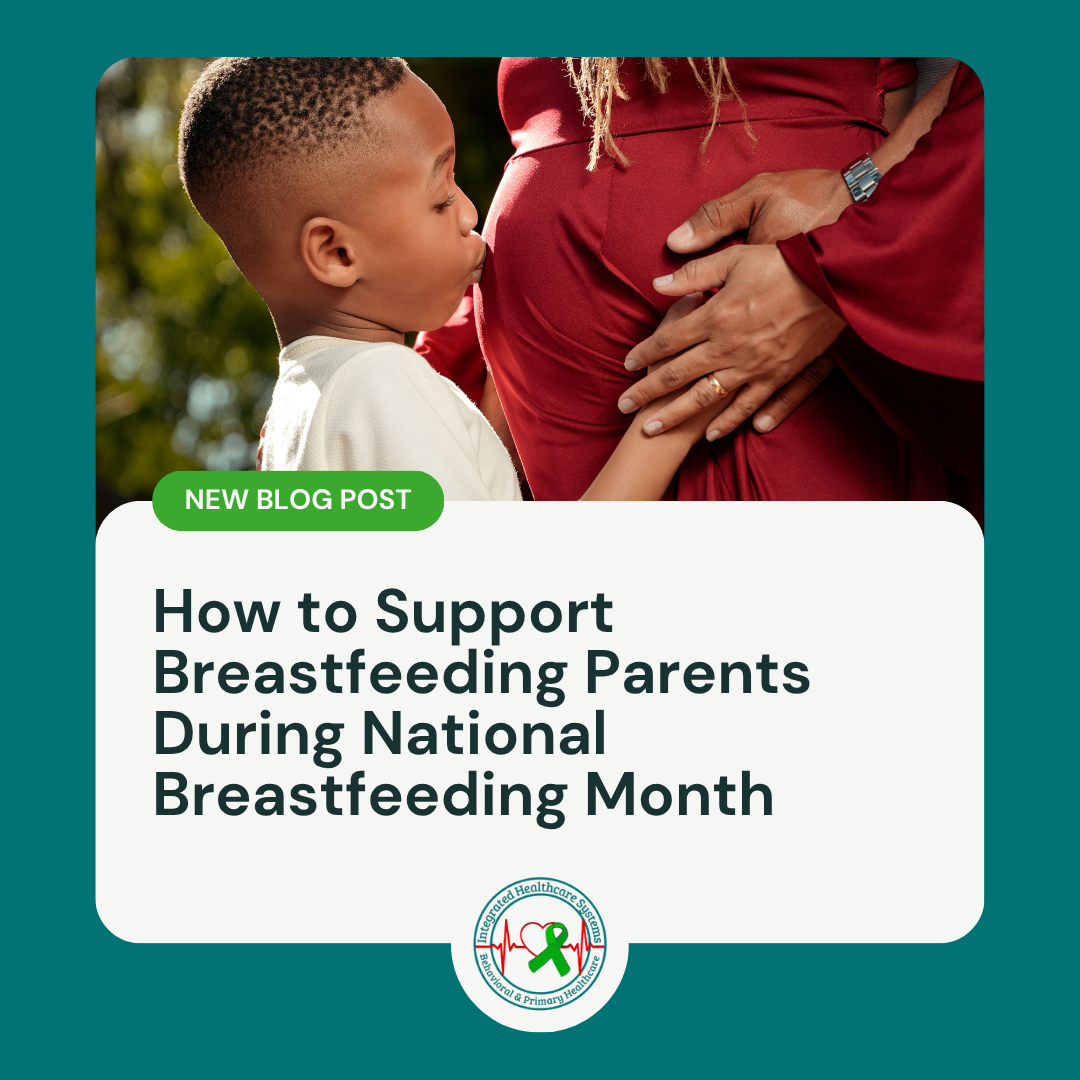
August is National Breastfeeding Month, a time to recognize the health benefits of breastfeeding and the people who make it easier for parents to reach their feeding goals.
It is also an opportunity to remember that every family’s experience is different. Some parents breastfeed exclusively, while others pump, supplement with formula, use donor milk, or rely entirely on formula. Feeding decisions can be shaped by health needs, milk supply, work, access to support, personal comfort, and many other circumstances.
Parents deserve accurate information and compassionate care without pressure or guilt.
The Health Benefits of Breastfeeding
Breast milk provides nutrition that changes as a baby grows. It also contains antibodies that help support a baby’s developing immune system. According to the Office on Women’s Health, breastfeeding is associated with a lower risk of certain infections and health conditions in babies.
Breastfeeding may also offer health benefits for the parent, including a reduced risk of type 2 diabetes and certain breast and ovarian cancers.
These benefits are meaningful, but they should never be used to judge a parent or measure the quality of their care. A feeding plan must work for both the baby and the parent. When breastfeeding is not possible, is not desired, or affects a parent’s well-being, families should receive respectful guidance about other safe feeding options.
Breastfeeding Support Begins at Home
Practical, everyday help can make breastfeeding or pumping feel more manageable. Partners, relatives, and friends can support a parent by:
- Bringing water, meals, snacks, or feeding supplies
- Taking responsibility for household chores and errands
- Helping with diaper changes, burping, bathing, and soothing
- Washing bottles and pump parts
- Protecting time for sleep and recovery
- Listening without offering criticism or unwanted advice
- Supporting the parent’s feeding decisions if their plan changes
Encouragement does not mean telling someone to keep breastfeeding at any cost. Sometimes the most helpful question is simply, “What would make today easier for you?”
How Employers Can Help
Returning to work can be a major transition for breastfeeding and pumping parents. A supportive workplace can reduce stress by offering:
- Predictable time for pumping breaks
- A clean, private, functional space
- Reasonable flexibility when feeding or pumping needs change
- Access to safe milk-storage options
- Clear, supportive workplace policies
- Respect from managers and coworkers
Parents should not have to feel embarrassed about requesting basic support. A workplace culture that treats pumping as a normal health need can help employees feel valued during an already demanding stage of life.
The Role of Healthcare Providers
Healthcare professionals can help families make informed feeding decisions before and after birth. Support should begin with the parent’s goals and take their physical health, emotional well-being, culture, home environment, and access to resources into account.
Helpful care may include:
- Answering questions in clear, judgment-free language
- Checking concerns such as pain, positioning, milk supply, and infant growth
- Asking about stress, anxiety, sleep, and emotional health
- Referring families to qualified breastfeeding professionals when needed
- Supporting combination feeding or formula feeding when appropriate
- Helping families find affordable, local resources
Breastfeeding difficulties can affect confidence and emotional wellness. Parents experiencing persistent sadness, anxiety, hopelessness, or thoughts of harming themselves, or their baby need prompt support from a healthcare professional. Feeding guidance and maternal mental health care should work together.
Florida WIC Breastfeeding Support
The Florida Special Supplemental Nutrition Program for Women, Infants, and Children offers nutrition education, breastfeeding information, and support for eligible pregnant and postpartum families.
Depending on the local WIC agency, support may include peer counselors, help with common breastfeeding questions, breast pump guidance, and referrals to additional care. Families can contact Florida WIC at 1-800-342-3556 or use the state’s WIC contact directory to find a nearby office.
The USDA WIC Breastfeeding Support website also provides practical information for learning about breastfeeding, overcoming common challenges, pumping, returning to work, and supporting a breastfeeding family member.
Additional local support may be available through:
- County health departments
- Hospitals and birthing centers
- Obstetric, family medicine, and pediatric offices
- International Board-Certified Lactation Consultants
- Community health centers and parenting programs
When looking for help, families can ask whether services are available in their preferred language, offered virtually, covered by insurance, or provided on a reduced-cost basis.
Every Family Deserves Respectful Support
Breastfeeding support is more than providing information. It means making sure parents have time, practical help, emotional support, and access to qualified care. It also means respecting when a family’s feeding plan changes.
During National Breastfeeding Month and throughout the year, we can celebrate breastfeeding’s health benefits while affirming a simple truth: caring for a baby includes caring for the parent, and every family deserves to feel supported.