
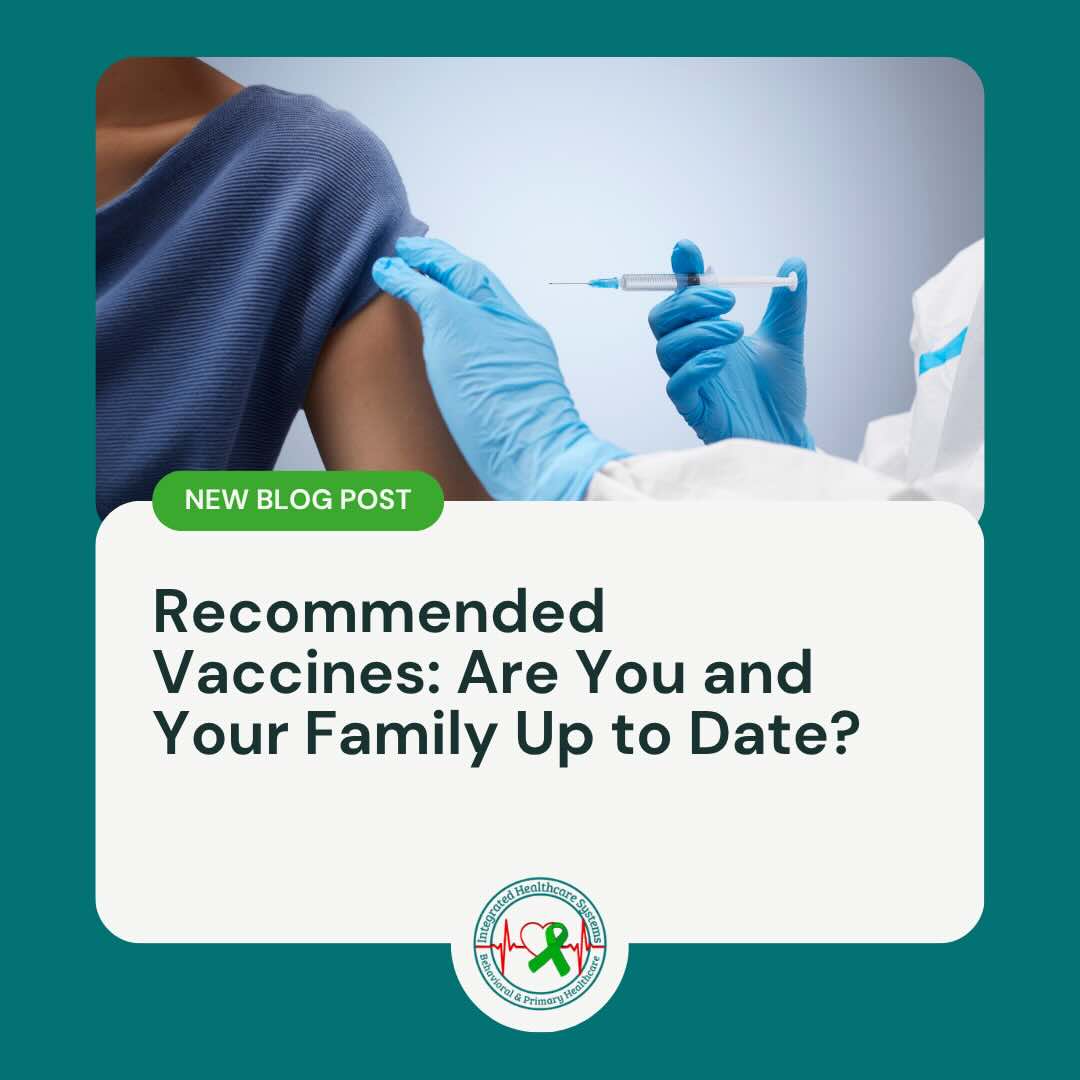
August is National Immunization Awareness Month, making it a timely opportunity to check whether you and your family are up to date on recommended vaccines and other preventive care.
Vaccination needs can change throughout life. Even if you received routine vaccines as a child, you may need additional protection based on your age, health history, occupation, travel plans, or other personal circumstances. A conversation with your health care provider can help you understand which recommendations apply to you.
Why Recommended Vaccines Matter
Vaccines help the immune system prepare to protect the body from certain diseases. Staying current can support your health while also helping reduce the spread of illness within families and communities.
Recommended vaccines are not the same for everyone. Your provider may consider factors such as:
- Your age
- Your vaccination records
- Existing health conditions
- Pregnancy or plans to become pregnant
- Work or school requirements
- Upcoming travel
- Previous reactions or allergies
Because these factors can affect vaccine recommendations, personalized guidance from a qualified health care professional is important.
Immunization Is Important at Every Age
Vaccination is often associated with childhood, but immunization remains an important part of preventive care throughout adulthood.
Children and teens may need vaccines at different stages of growth. Adults may require boosters or vaccines that were not available when they were younger. Older adults may also have different recommendations because the immune system and health risks can change with age.
The CDC provides current immunization schedules for health care providers, but your provider can help translate those schedules into guidance that fits your individual needs.
How to Check Whether You Are Up to Date
Start by locating any available vaccination records. These may be stored in a patient portal, with a current or former provider, in school or employment records, or through a state or local immunization registry.
If your records are incomplete, do not assume that you must restart a vaccine series. Bring whatever information you have for your next appointment and ask your provider about the appropriate next step.
You can also use your visit to review other preventive care needs, including routine screenings, wellness visits, and health concerns you may have postponed.
Questions to Ask Your Provider
Consider bringing these questions to your next appointment:
- Am I up to date on recommended vaccines for my age?
- Do my health conditions affect which vaccines I should receive?
- Are there vaccines I need for work, school, or travel?
- How can I find missing vaccination records?
- Are any preventive screenings or wellness visits due?
Your provider can review your health history, answer questions about potential risks or side effects, and help you make an informed decision.
Make Preventive Care a Regular Habit
National Immunization Awareness Month is a useful reminder, but checking your preventive care needs should not be limited to August. Recommendations can change over time, so it is helpful to review your vaccination status during regular health visits.
Keeping an updated record can also make future appointments, school enrollment, employment requirements, and travel planning easier.
Ask your provider what vaccines are recommended for you.