

Every June, Men’s Health Month serves as a reminder that health is not just personal—it is community-wide. This year’s theme, “Partners in Care: For Better Lifespans Across the Lifespan,” highlights an important truth: better health outcomes happen when individuals, families, healthcare providers, and communities work together.
At Integrated Healthcare System (IHCS), we recognize that barriers to care can prevent men from receiving the support they need physically, mentally, and emotionally. Men’s Health Month is not only an opportunity to raise awareness, but also to encourage conversations that too often go unspoken.
The Hidden Health Challenges Men Face
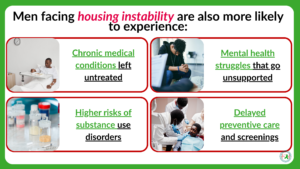
Many men are taught from an early age to “push through” discomfort, avoid vulnerability, or delay asking for help. Over time, this mindset can lead to untreated health concerns and worsening conditions.
For individuals experiencing homelessness, these challenges become even more serious. Limited access to healthcare, unstable living conditions, untreated mental health concerns, and chronic stress can all negatively impact long-term wellbeing.
Three Areas Men Often Neglect in Their Health
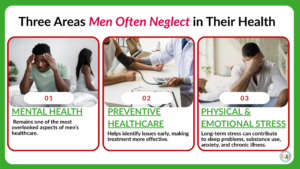
While every person’s needs are different, there are several areas of health many men commonly overlook.
1. Mental Health
Mental health remains one of the most overlooked aspects of men’s healthcare. Many men struggle silently with anxiety, depression, trauma, or stress because of fear, stigma, or pressure to appear “strong.”
Ignoring mental health does not make the challenges disappear. In many cases, untreated mental health concerns can affect relationships, employment, physical health, and overall quality of life.
Seeking support is not weakness—it is part of taking care of yourself.
2. Preventive Healthcare
Routine checkups and preventive screenings are often delayed until symptoms become serious. Many men avoid regular doctor visits, even when experiencing warning signs related to blood pressure, diabetes, heart health, or other chronic conditions.
Preventive care helps identify issues early, making treatment more effective and improving long-term health outcomes.
Small checkups now can prevent bigger health problems later.
3. Physical and Emotional Stress
Stress affects both the body and mind, yet many men normalize exhaustion, burnout, and emotional pressure without addressing it. Long-term stress can contribute to sleep problems, substance use, anxiety, and chronic illness.
For individuals experiencing homelessness or instability, stress levels are often even higher due to uncertainty, trauma, and lack of support systems.
Taking care of emotional wellbeing is just as important as physical health.
How IHCS Supports Men’s Health
At IHCS, we understand that health challenges are often interconnected. That’s why our approach focuses on integrated, person-centered care that supports the whole individual—not just one diagnosis or condition.
Our services include:
➛ Primary Healthcare
IHCS provides access to healthcare services that support overall wellness, preventive care, and ongoing medical needs. Early intervention and consistent care can make a significant difference in long-term health outcomes.
➛ Behavioral Health Services
Mental health support is a critical part of overall wellbeing. IHCS offers counseling, treatment, assessments, and behavioral health support in a compassionate and supportive environment.
➛ Permanent Supportive Housing
Stable housing plays a major role in recovery and long-term health. Through Permanent Supportive Housing programs, IHCS helps individuals experiencing chronic homelessness access safe housing alongside supportive services that promote healing and stability.
➛ Community Outreach and Pop-Up Clinics
IHCS hosts a monthly Pop-Up Clinic Community Outreach Event designed to bring essential services directly to the community in a welcoming and accessible setting. These outreach clinics are held every 3rd Thursday of the month, from 10:00 AM to 3:00 PM, at Friendship Health Clinic, 718 3rd Street, West Palm Beach, FL 33401.
At each pop-up clinic, IHCS provides health screenings, case management services, food and beverages, and an on-site mobile shower, ensuring that both medical and basic needs are addressed in one supportive space.
By meeting people where they are, these events help reduce barriers to care and create easier pathways to support, referrals, and ongoing healthcare. Sometimes, a simple visit can be the first step toward stability, recovery, and long-term wellness.
Breaking the Barriers Together
Men’s Health Month is about more than awareness—it is about action.
Breaking barriers to care means creating environments where men feel comfortable asking questions, seeking support, and prioritizing their wellbeing without stigma or judgment. It also means recognizing that healthcare access, mental health support, and stable housing all work together to improve lives.
No one should have to navigate these challenges alone.
How You Can Help
There are many ways to support men’s health and help strengthen our community:
👉 Donate – Help expand access to healthcare, behavioral health services, and supportive housing programs
👉 Refer Someone – Connect a friend, family member, or community member to IHCS services
👉 Visit a Pop-Up Clinic – Encourage someone to take the first step toward care and wellness
At IHCS, we believe better health starts with access, support, and compassion.
This Men’s Health Month, let’s continue breaking barriers to care—together.