
https://www.apa.org/ed/graduate/specialize/counselingWhen we think about health, we often picture physical checkups or hospital visits. But true wellness encompasses the whole person — body, mind, and spirit. At Integrated Healthcare Systems (IHCS), behavioral health is a cornerstone of care because emotional well–being is deeply connected to overall health and life stability. Through compassionate counseling and tailored therapeutic support, IHCS clinicians help clients regain their sense of self, rebuild relationships, and reclaim their dignity.
Behavioral health challenges such as trauma, depression, anxiety, and stress don’t just impact mental health — they affect people’s ability to work, maintain relationships, and navigate everyday life. For many individuals served by IHCS, counseling is not a luxury — it’s a lifeline.
What Counseling Looks Like at IHCS
IHCS’s behavioral health team consists of licensed counselors, therapists, and clinical support staff trained to provide trauma–informed, culturally competent care. Each client’s journey is unique, and so is their treatment approach. Whether working one–on–one or in group settings, IHCS clinicians create a safe space for clients to explore emotions, learn coping skills, and build resilience.
Some common elements of counseling at IHCS include:
Individual Counseling
Focused sessions that allow clients to work privately with a therapist to address challenges such as anxiety, trauma, substance use, and life transitions.
Group Therapy
A supportive environment where participants share experiences and learn together under professional guidance. Groups may focus on stress management, coping skills, or life skills development.
Family Support
Counselors help families navigate conflict, improve communication, and strengthen relationships, recognizing that wellness often depends on a strong support network.
Every session is rooted in respect and empathy — core values that guide IHCS’s approach to behavioral health care.
The Transformational Role of Counselors and Therapists
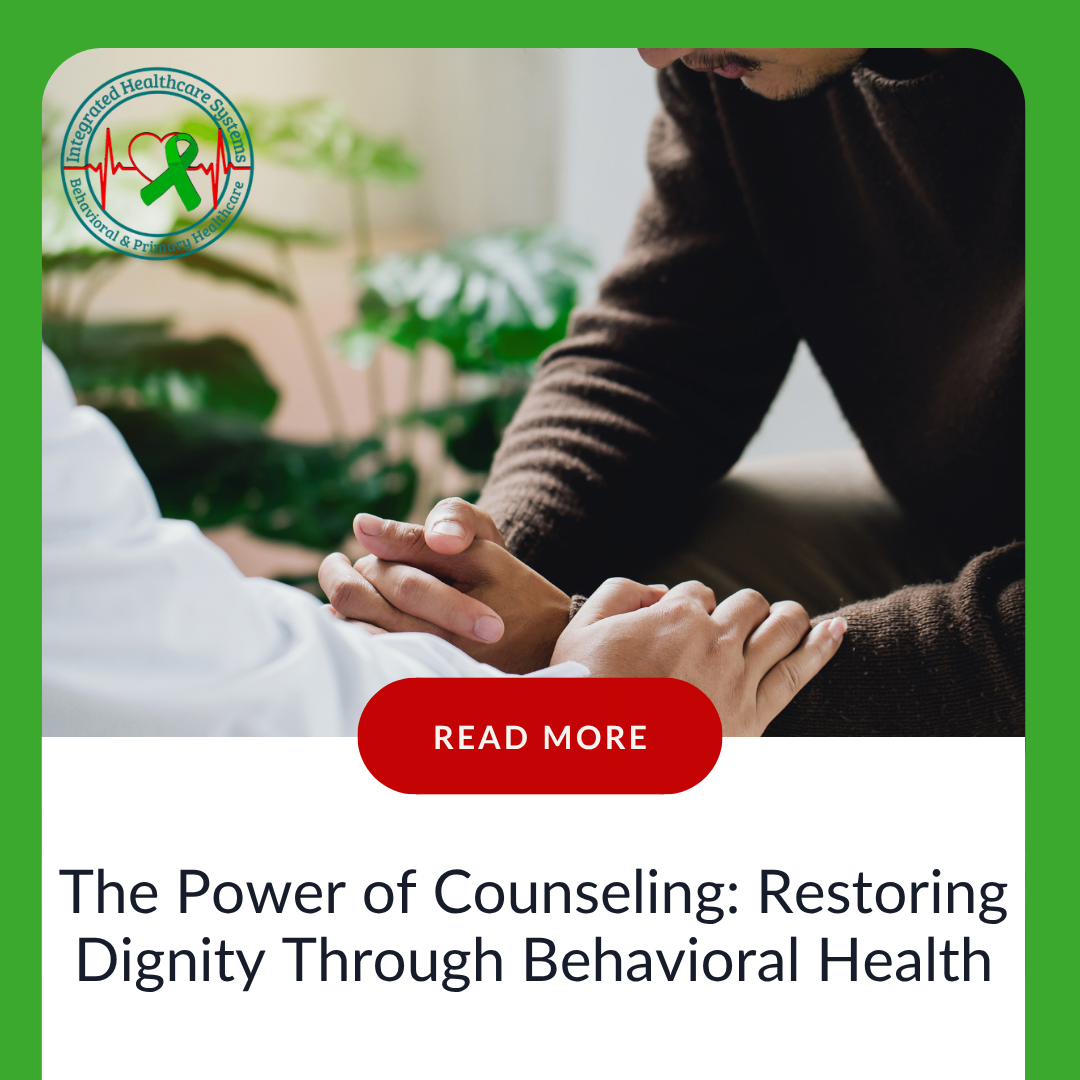
Counseling isn’t just talk therapy — it is a process of empowerment. IHCS clinicians do much more than listen; they build trust, guide challenging conversations, and help clients develop strategies that support long–term healing.
For many clients coming from situations of trauma, homelessness, or chronic stress, the act of being heard and understood can be profoundly healing. Behavioral health therapy helps individuals:
Understand and manage emotions
Develop healthy coping strategies
Navigate life transitions and stressors
Break cycles of harmful behavior
Restore self–esteem and confidence
One of the unique strengths of IHCS’s model is that counseling is provided alongside primary care, case management, and housing support. This integrated approach ensures that behavioral health care doesn’t exist in isolation but is connected to every aspect of a person’s well–being.
Counseling and Restoring Dignity
Dignity is at the heart of IHCS’s mission. For someone who has experienced hardship, instability, or trauma, counseling can help restore a sense of worth and self–respect. IHCS clinicians work with clients not just to treat symptoms, but to acknowledge experiences, build voice and agency, and support meaningful life change.
Counseling fosters dignity by:
Listening Without Judgement
Clients come from diverse backgrounds, and many carry painful experiences. IHCS therapists create a space where individuals feel safe to express themselves honestly.
Validating Experience
Counselors help clients understand that their reactions and emotions are real and valid — not signs of weakness.
Encouraging Growth
Through guided support, clients build resilience and learn how to approach problems with confidence instead of fear.
Supporting Long–Term Stability
By addressing emotional roots, rather than only surface behaviors, counseling contributes to sustained life improvements — in work, relationships, health, and community participation.
Meet the Professionals Behind the Care
IHCS’s behavioral health team includes qualified and compassionate professionals dedicated to client well–being. Among them:
Licensed counselors and therapists who facilitate individual and group sessions.
Clinical support staff who assist with assessments and care planning.
Trauma–informed specialists trained to recognize and respond to complex life experiences.
These clinicians are integrated into the larger IHCS care ecosystem. They communicate with primary care providers, case managers, and supportive housing teams to ensure that each person’s therapeutic plan aligns with other areas of their health and life goals.
Why Behavioral Health Matters for the Community
Mental and emotional wellness influences everything from physical health to family stability and employment. By strengthening behavioral health services, IHCS contributes to stronger individuals and healthier communities.
Counseling helps reduce:
Emergency room visits
Hospitalizations related to unmanaged mental health symptoms
Cycles of crisis and trauma
Long–term impacts of untreated emotional health conditions
It also supports:
Improved daily functioning
Stronger interpersonal relationships
Better engagement in healthcare and housing programs
Enhanced quality of life
Through counseling, IHCS empowers individuals not just to cope — but to thrive.
How You Can Help
The impact of counseling services depends on community support. You can help IHCS continue providing life–changing behavioral health care by:
💙 Donate – Support counseling programs, therapist positions, and community outreach.
🤝 Refer Someone – Connect friends, family members, or clients who may benefit from behavioral health care.
Behavioral health counseling at IHCS is more than treatment — it’s a tool for restoration, empowerment, and dignity. In a world where emotional struggles often go unseen, IHCS counselors stand as advocates, listeners, and partners in change.
Through compassionate care, we help individuals rebuild their sense of worth — and reclaim their lives with confidence, purpose, and hope.