
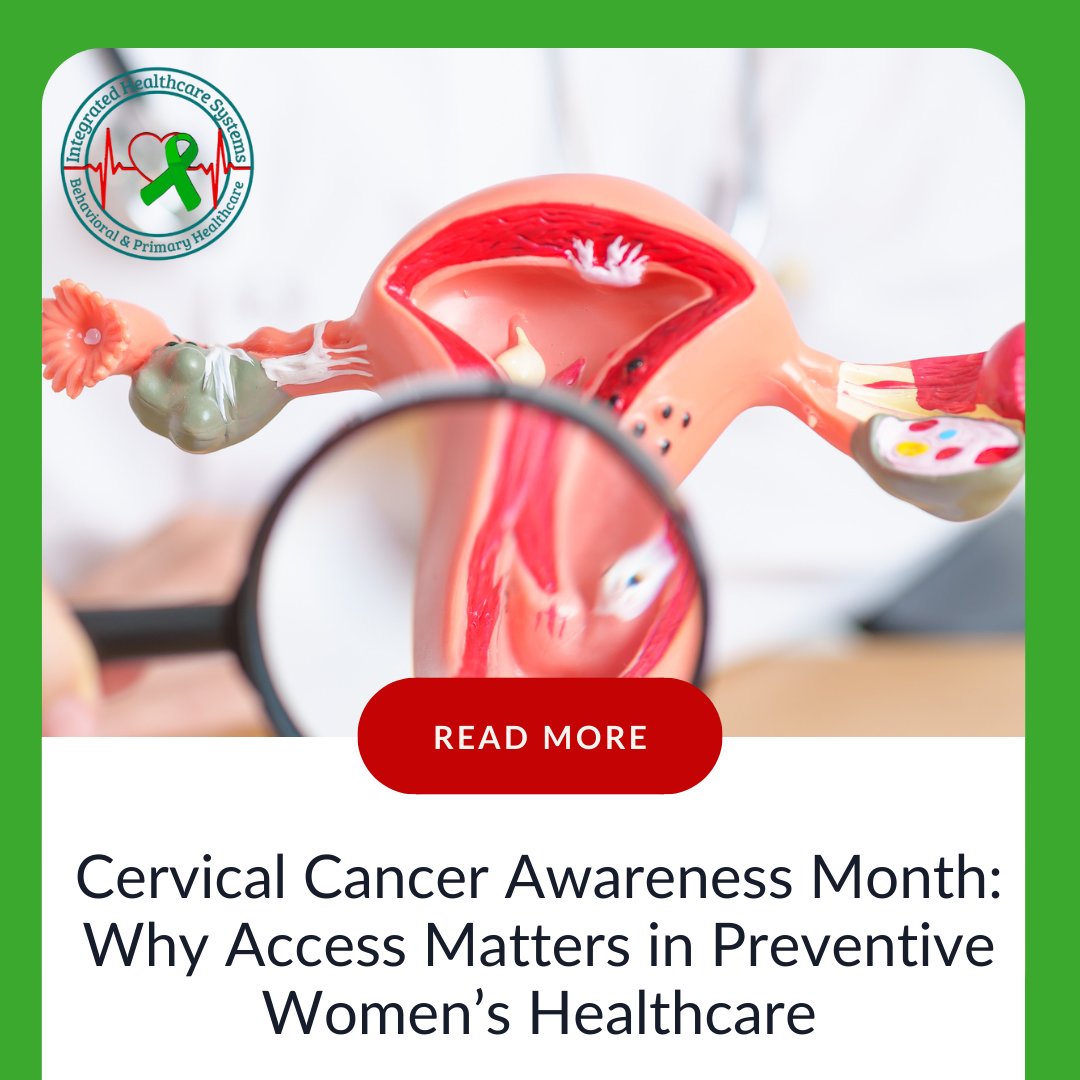
January marks Cervical Cancer Awareness Month, a time dedicated to education, prevention, and early detection. Cervical cancer is a type of cancer that develops in the cells of the cervix—the lower part of the uterus that connects to the vagina. In its early stages, cervical cancer often has no noticeable symptoms, which is why routine screenings and preventive care play a critical role in early detection and successful treatment.
According to the National Cancer Institute, while cervical cancer rates in the United States have declined over the past several decades due to improved screening and preventive care, the disease continues to affect thousands each year. In 2025, approximately 13,360 individuals were diagnosed with cervical cancer, and an estimated 4,320 people died from the disease. These numbers serve as an important reminder that awareness alone is not enough—access to preventive healthcare is essential.
These numbers remind us of an essential truth: awareness saves lives only when it is paired with access to care.
At Integrated Healthcare System (IHCS), we believe preventive healthcare must be realistic, accessible, and grounded in the lived experiences of the people it is meant to serve—especially women facing housing instability, chronic health conditions, or behavioral health challenges.
Awareness Is Important—Access Is Essential
Preventive women’s healthcare, including routine screenings like Pap tests and follow-up care, is one of the most effective tools for reducing cervical cancer risk. But for many individuals, especially those experiencing homelessness or housing insecurity, accessing preventive care is not simple.
Barriers often include:
- Lack of stable housing
- Transportation challenges
- Competing priorities such as food, safety, and survival
- Mental health or substance use disorders
- Past trauma or distrust of healthcare systems
When care is fragmented or difficult to reach, preventive services are delayed—or never accessed at all. This is how treatable conditions become life-threatening.
Why Stability Changes Everything
Stability is the foundation of prevention. When individuals have consistent access to healthcare, safe housing, and supportive services, they are far more likely to engage in regular screenings, attend follow-up appointments, and build trusting relationships with providers.
At IHCS, stability doesn’t start with paperwork or appointments—it starts with meeting people where they are.
We welcome individuals who are chronically homeless to stop by during our monthly outreach events, with no appointment required. Walk-ins are highly encouraged. These gatherings are designed to remove barriers, not create them.
Our outreach events provide a supportive, welcoming space where attendees can:
- Access health-related resources
- Connect with local service providers
- Receive essential items such as hygiene kits
- Learn about housing, healthcare, and case management options
Local nonprofit partners are invited to host informational booths, helping connect individuals to programs that support long-term stability. We also collaborate with local businesses that generously contribute in-kind donations—such as food, beverages, or hygiene supplies—to make each event impactful and dignified.
These moments of connection are often the first step toward ongoing care.
How IHCS Supports Preventive Women’s Healthcare
IHCS takes an integrated approach to care, recognizing that physical health, mental health, and housing are deeply interconnected. Our services are designed to support prevention—not just treatment.
Our programs include:
Primary Healthcare
IHCS provides routine medical care, health screenings, chronic disease management, and preventive services that support long-term wellness.
Behavioral Health Services
Mental health and substance use challenges can interfere with preventive care. Our behavioral health services help individuals address these challenges while supporting overall health engagement.
Supportive Housing
Stable housing creates the conditions needed for preventive care to work. When individuals have a safe place to live, they are better able to prioritize their health.
Targeted Case Management
Case managers help individuals navigate appointments, follow-ups, benefits, and referrals—bridging gaps that often prevent consistent care.
Together, these services create a coordinated system where prevention becomes possible, sustainable, and person-centered.
Prevention Beyond the Calendar
Cervical Cancer Awareness Month is an important reminder—but preventive care cannot be confined to one month a year. Health equity requires year-round access, trust, and stability.
At IHCS, our work continues long after awareness campaigns end. We focus on creating systems that support women before a diagnosis is ever needed—through education, outreach, integrated care, and housing-first solutions.
Moving Forward, Together
Preventive women’s healthcare works best when people are supported not just medically, but holistically. When access replaces barriers. When stability replaces uncertainty. And when care is delivered with dignity.
This Cervical Cancer Awareness Month, IHCS remains committed to expanding access, strengthening prevention, and building a more connected and compassionate community—one person, one service, and one month at a time.