
Chronic conditions such as hypertension, diabetes, asthma, and heart disease require ongoing and consistent care. While treatment plans often include lifestyle changes and regular monitoring, one of the most important foundations of long-term health is often the most overlooked: medication management.
At Integrated Healthcare System (IHCS), medication management is understood as more than just taking prescriptions correctly. It is a continuous process that involves education, communication, consistency, and support. When properly integrated into primary healthcare, it becomes a key pillar in helping individuals manage chronic conditions, prevent complications, and maintain stability in their daily lives.
Why Medication Management Matters in Chronic Care
For individuals living with chronic illnesses, medication plays a vital role in maintaining balance within the body and preventing serious complications. These medications help control symptoms, regulate bodily functions, and reduce the risk of hospitalization or long-term health decline.
However, medication management is not always straightforward. Many individuals struggle with missed doses, confusion about instructions, side effects, or managing multiple prescriptions at once. Others face barriers such as limited access to healthcare, financial challenges, or unstable daily routines.
When medications are not taken consistently, even unintentionally, it can lead to worsening symptoms and preventable health risks. This makes structured medication support a crucial part of chronic disease care.
The Role of Medication Management in Primary Healthcare
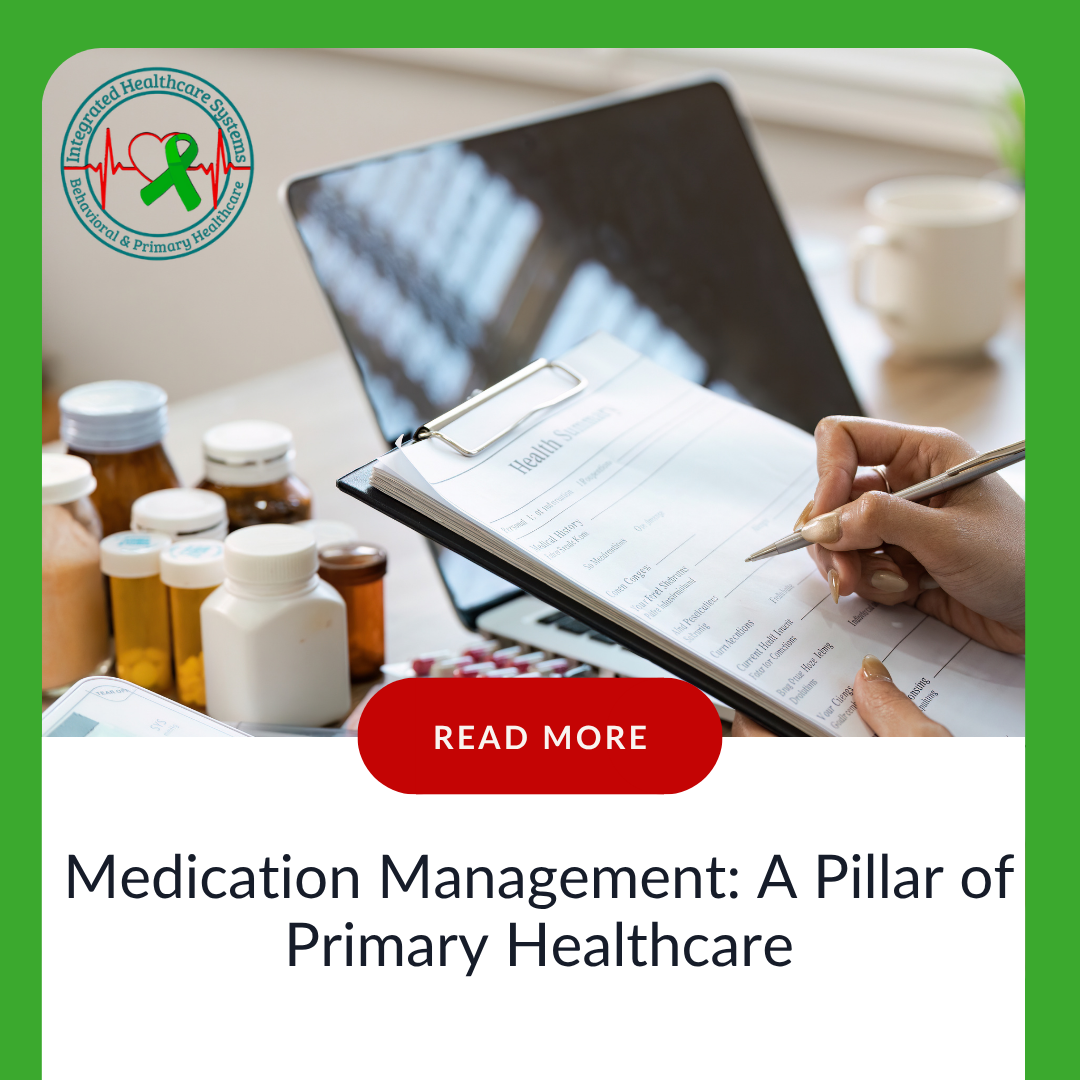
Medication management ensures that individuals are supported in taking the right medication, at the right dose, and at the right time. It also helps ensure that treatment plans remain safe, effective, and clearly understood.
In primary healthcare, this includes ongoing communication between patients and providers, regular review of prescriptions, and continuous guidance on how medications fit into overall health goals.
Beyond instructions, it also builds understanding—helping patients feel more confident about why they are taking their medications and how it supports their long-term wellbeing.
Common Barriers to Medication Adherence
Even with a clear treatment plan, several factors can affect consistency in medication use:
- Complex medication schedules that are difficult to follow
- Limited understanding of prescriptions or instructions
- Side effects that discourage continued use
- Financial or access-related challenges
- Stressful or unstable living conditions
These barriers highlight the need for healthcare that is not only clinical, but also supportive and adaptable to real-life circumstances.
How IHCS Supports Medication Management
At Integrated Healthcare System (IHCS), medication management is integrated into our broader approach to primary care and behavioral health services.
Through our primary healthcare services, patients receive ongoing support, monitoring, and guidance as part of routine care. This includes helping individuals better understand their medications and how they fit into their overall treatment plan.
We also provide behavioral health services to support individuals whose mental and emotional wellbeing may impact their ability to stay consistent with treatment. By addressing both physical and psychological factors, IHCS promotes a more holistic and sustainable approach to chronic disease management.
Together, these services help ensure that patients are not navigating their health journey alone, but with consistent and coordinated support.
Medication Management as Preventive Care
When properly supported, medication management becomes a powerful form of preventive care. It helps stabilize chronic conditions and reduces the risk of complications that may lead to emergency care or hospitalization.
Consistent medication use can lead to:
- Improved symptom control
- Fewer health complications
- Better daily functioning
- Greater long-term stability
It is a simple concept with a significant impact—consistency in care leads to consistency in health.
Building Stability Through Consistent Care
Medication management is not a one-time task, but an ongoing process that requires understanding, trust, and continuity. For individuals managing chronic conditions, this consistency can be life-changing.
At IHCS, we are committed to making healthcare more accessible, understandable, and supportive. By integrating medication management into primary and behavioral health services, we aim to help individuals feel more empowered and supported in their care.
Chronic disease management is a long-term partnership between patients and healthcare providers. Medication management plays a central role in that partnership, connecting diagnosis, treatment, and sustained wellbeing.
Through integrated and compassionate care, IHCS continues to support individuals in building healthier and more stable lives—because effective healthcare is not just about treatment, but about consistency, understanding, and care.
Get Involved
👉 Donate – Support IHCS in expanding access to primary healthcare, behavioral health services, and community-based care programs.
👉 Refer Someone – Help connect individuals in need of medical or behavioral health support to IHCS services.